
- Published on
Oil Prices Spike as State Conflicts Threaten Working People's Economic Security Worldwide
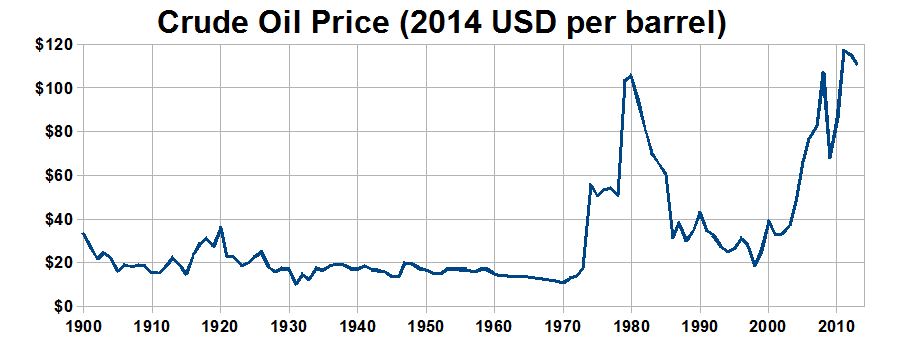
Brent crude oil prices surged past $119 per barrel this week, sending shockwaves through global financial markets as escalating tensions between state powers—particularly the United States, Israel, and Iran—demonstrate once again how ordinary people bear the costs of geopolitical maneuvering by ruling elites.
The price spike triggered significant volatility across stock markets worldwide, with US markets experiencing their fourth consecutive week of declines. While investors and financial institutions scramble to protect their portfolios, the real impact falls squarely on working communities who face rising costs for fuel, transportation, and basic goods.
This latest crisis exposes the fundamental instability inherent in centralized energy systems controlled by state actors and multinational corporations. The ability of distant conflicts between governments to immediately affect the daily lives of billions reveals the profound vulnerability created by our dependence on hierarchical power structures and fossil fuel-based economies.
The current situation stems from military posturing and threatened escalation in the Middle East, where competing imperial interests clash with little regard for the populations caught in the crossfire. As state actors engage in brinkmanship, communities everywhere face the prospect of inflation, economic hardship, and reduced access to essential resources.
Financial analysts note that market uncertainty could persist as long as these tensions continue, but such analysis misses the deeper structural problem: a global economic system where decisions made in distant capitals and corporate boardrooms determine whether families can afford to heat their homes or drive to work.
The volatility also highlights how financial markets, supposedly efficient mechanisms for resource allocation, actually amplify instability and transfer wealth upward during crises. While stock portfolios fluctuate, the consistent losers are those with the least economic cushion to absorb sudden price shocks.
**Why This Matters from an Anarchist Perspective:**
This crisis exemplifies how centralized state power and capitalist market structures create cascading vulnerabilities for ordinary people. The ability of geopolitical conflicts to instantly destabilize global energy prices demonstrates the danger of concentrated control over essential resources. A decentralized energy system based on local renewable sources and community control would provide far greater resilience against such shocks. Furthermore, the situation reveals how state militarism and imperial competition impose direct economic costs on working people who have no say in these decisions, underscoring the urgent need for horizontal, community-based alternatives to both state power and corporate capitalism.